
A Survey of Palms Growing in Bermuda
George Ogden
A Living Palm Museum: Exploring “A Survey of Palms Growing in Bermuda” (2009)
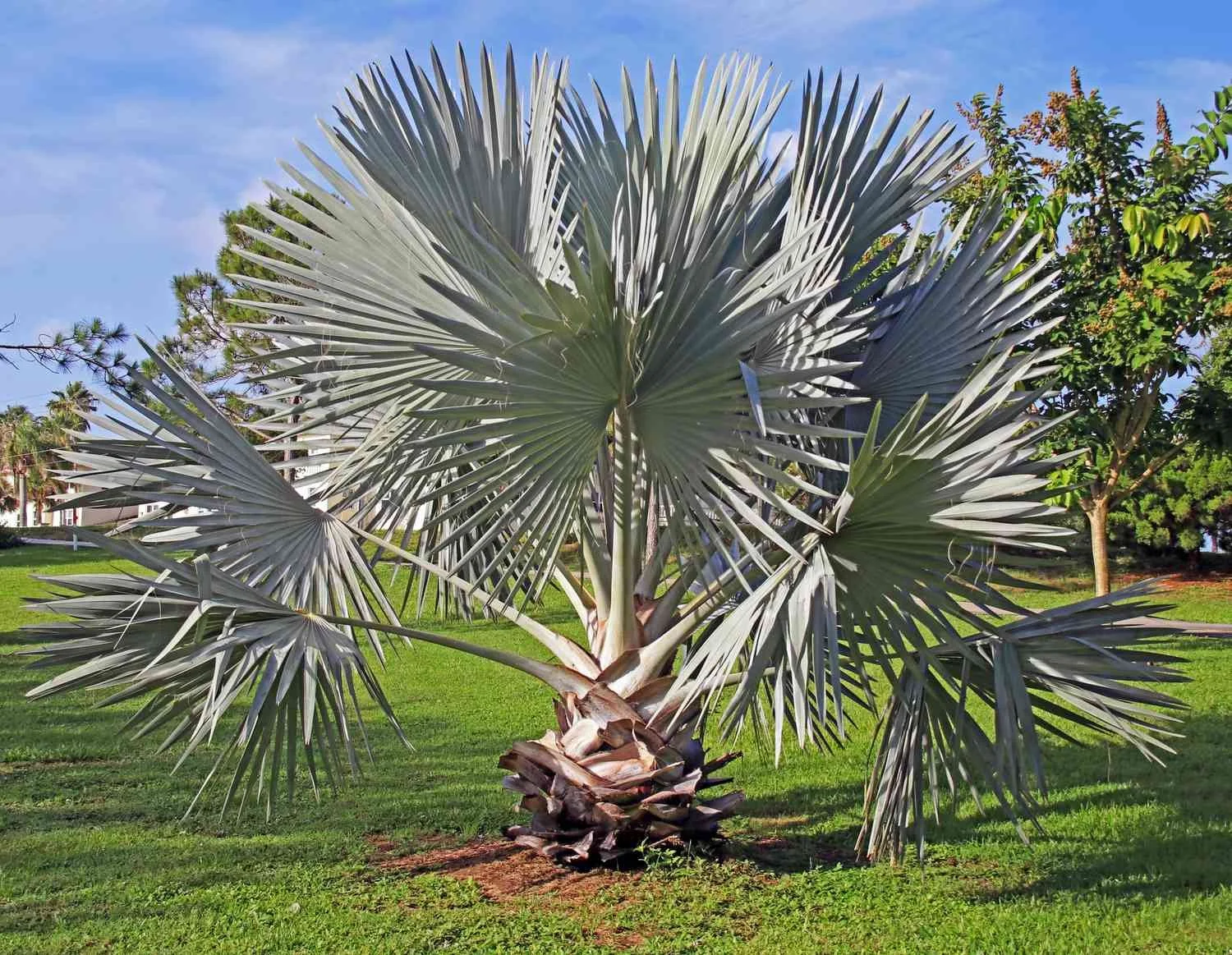
The resource document A Survey of Palms Growing in Bermuda is one of the most detailed and passionate botanical surveys ever created about Bermuda’s palm population. Compiled by George F. Ogden—and updated across decades from 1975 to 2009—the work captures a remarkable snapshot of the island’s palm diversity, documenting approximately 64 species growing across public gardens, private estates, parks, and hidden corners of the island.
What makes this survey so special is its blend of scientific identification, local horticultural history, and deep personal dedication. Ogden acknowledges the work of early collaborator Andrew Pierce and later thanks his wife, Sandra Ogden, for her invaluable assistance—reminding readers that botanical research is often a labour of love.
The document guides readers through Bermuda parish‑by‑parish, revealing where palm species can be found and offering notes on the challenges of identification. Ogden openly explains that many palms—particularly Ptychosperma, Phoenix, and Sabal species—are notoriously difficult to differentiate due to conflicting publications and subtle morphological differences. Nevertheless, his survey provides a rich and comprehensive list of where each species grows, from iconic public sites to tucked‑away private gardens.
Where Bermuda’s Palm Diversity Thrives
Ogden highlights three major public sites where the majority of palms can be observed:
Palm Grove Gardens (Devonshire)
The Arboretum (Devonshire)
The Botanical Gardens (Paget)
These locations host a sweeping assortment of species—from the graceful Cuban Royal Palm (Roystonea regia) to the iconic Bermuda Palmetto (Sabal bermudana), the elegant Bottle Palm (Hyophorbe lagenicaulis), and even rare sightings like the Blue Latan Palm (Latania loddigesii).
Beyond these major sites, the survey lists palms growing at more than 40 distinct locations, such as:
private homes like Campsea‑Ashe, Lorac, and Old Walls
public parks including Par‑La‑Ville, Albuoy’s Point, Fort Hamilton, and Barr’s Bay
institutions like the Bermuda Aquarium, Bermuda College, and the Royal Hamilton Amateur Dinghy Club
coastal resorts, golf courses, nurseries, and churchyards
Each listing provides the species present and their country of origin, reflecting Bermuda’s long history of botanical exchange and ornamental planting.
A Global Collection Rooted in Island Soil
One of the document’s standout features is its organization by country of origin, making it clear just how global Bermuda’s palm population truly is. Species hail from:
the Mascarene Islands (Bottle Palm, Spindle Palm, Latan Palms)
Australia and the Western Pacific (Solitaire Palm, Foxtail Palm)
India and Sri Lanka (Toddy Palm, Ceylon Date Palm)
Central America and the Caribbean (Maya Palm, Silver Thatch)
Africa (Senegal Date Palm, Doum Palm)
South America (Queen Palm, Wine Palm)
This multicultural collection reflects both Bermuda’s horticultural curiosity and the island’s suitability for diverse tropical species—thanks to its mild winters and maritime climate. [A-Survey-o...den-George | PDF]
A Resource for Gardeners, Historians, and Palm Lovers
Whether you’re a botanist, landscape designer, or simply someone who loves palms swaying against the island sky, Ogden’s survey is an invaluable reference. It offers:
an authoritative record of Bermuda’s palm diversity as of 2009
geographic notes that allow readers to find living specimens
insight into identification challenges
historical context linking many palms to early horticultural introductions
It is also a time capsule—documenting which species thrived at specific sites nearly two decades ago, providing a baseline for understanding how Bermuda’s planted landscapes have evolved.
Why This Document Matters Today
As Bermuda continues expanding its landscaping, garden tourism, and ecological education, resources like Ogden’s survey help preserve institutional memory. They highlight the importance of biodiversity, celebrate the island’s heritage of ornamental planting, and inspire a renewed appreciation for species that have become familiar parts of the island’s silhouette.
A Survey of Palms Growing in Bermuda doesn’t just list palms—it captures the story of how palms became woven into Bermuda’s cultural and botanical identity. It remains an essential reference for anyone seeking to understand, protect, and celebrate the island’s remarkable palmscape.
