
BOTANICAL NEWS & RESOURCES
Volunteer Saturday at the Botanical Gardens
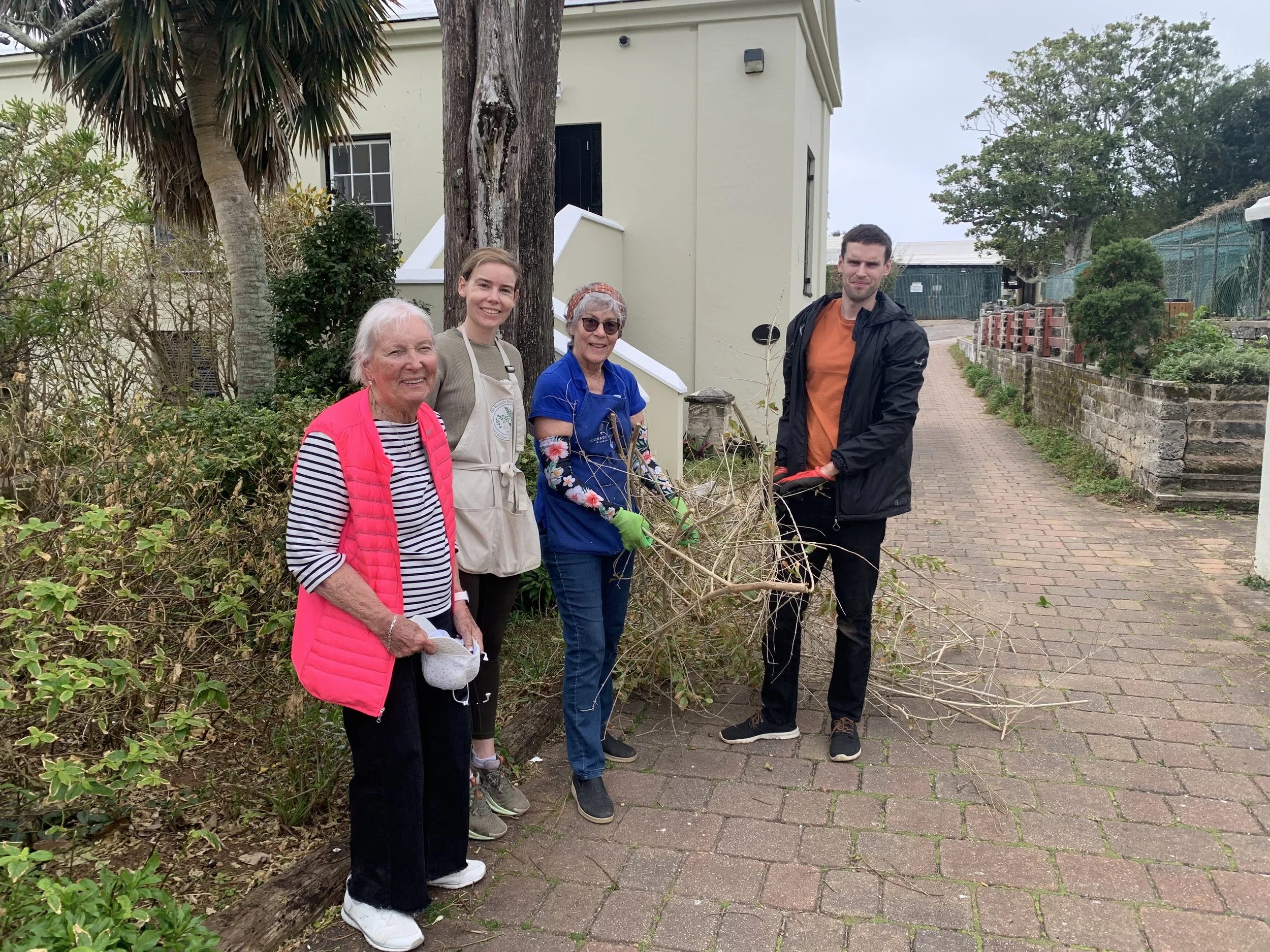
This past Saturday, the Bermuda Botanical Gardens were buzzing with energy as a small—but dedicated and growing—team of volunteers gathered to care for the Endemic/Native Garden site and the surrounding grounds. We were especially delighted to welcome overseas visitors who joined us bright and early to help spruce up the planter outside Masterworks. Their enthusiasm and fresh perspectives added something special to the morning’s efforts.
Great Article for a stormy day
Something to read on this wet and windy Sunday - great articles and the opportunity to register for free Healing Power of Plants webinar.
Bermuda Palm 2024
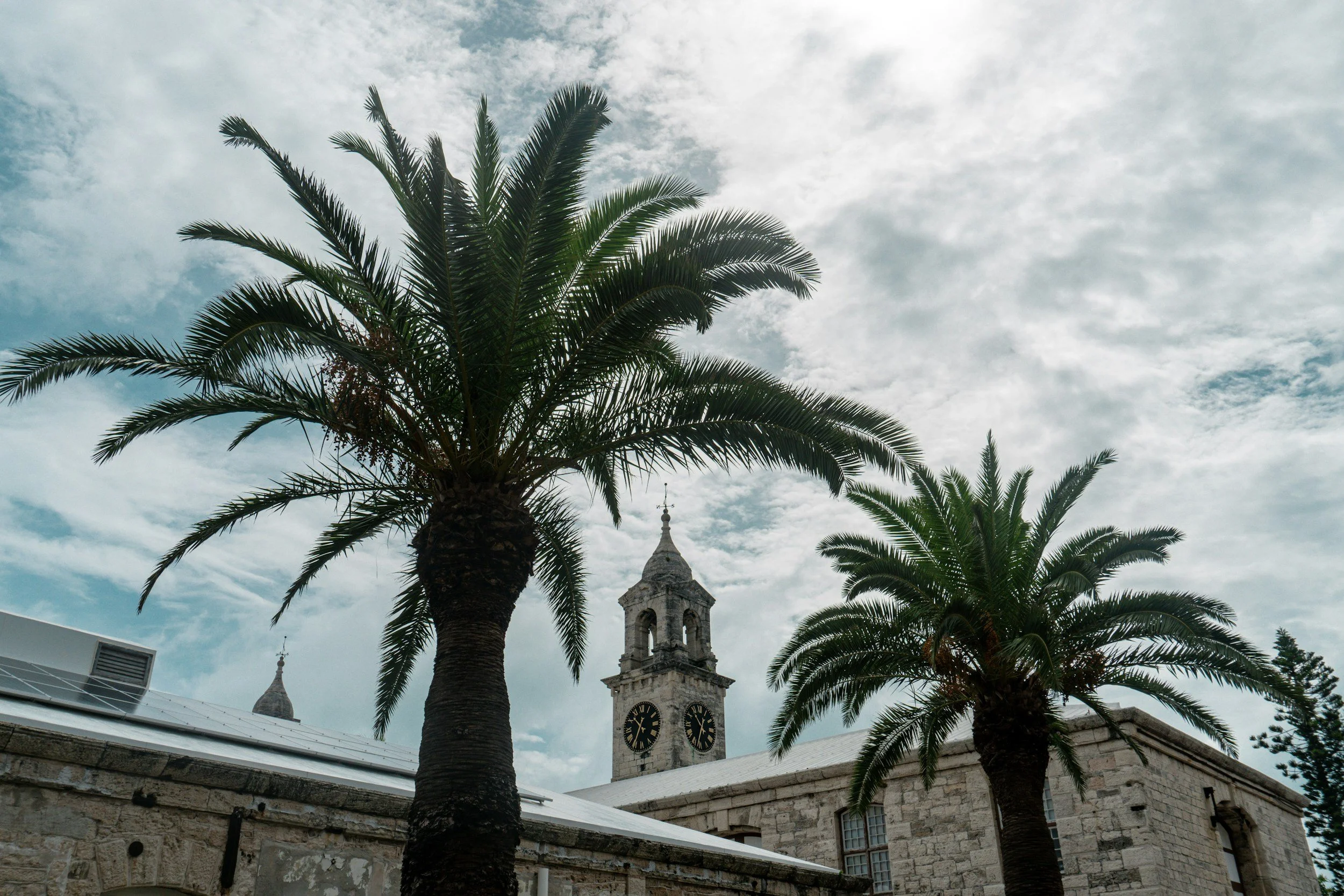
he Bermuda Palm List 2024 is a beautifully curated visual catalogue showcasing the full range of palm species currently found across Bermuda. Designed as a quick‑reference guide, the document offers an at‑a‑glance overview of both native palms—such as the iconic Sabal bermudana—and a broad collection of introduced ornamentals that now shape the island’s gardens, hotel landscapes, and public spaces. Across four illustrated pages, the list presents over 60 palm species including well‑known favourites like Cocos nucifera, Phoenix canariensis, Bismarckia nobilis, Roystonea regia, and the ever‑popular Chrysalidocarpus and Livistonia varieties, all clearly laid out for easy identification.
A Survey of Palms Growing in Bermuda
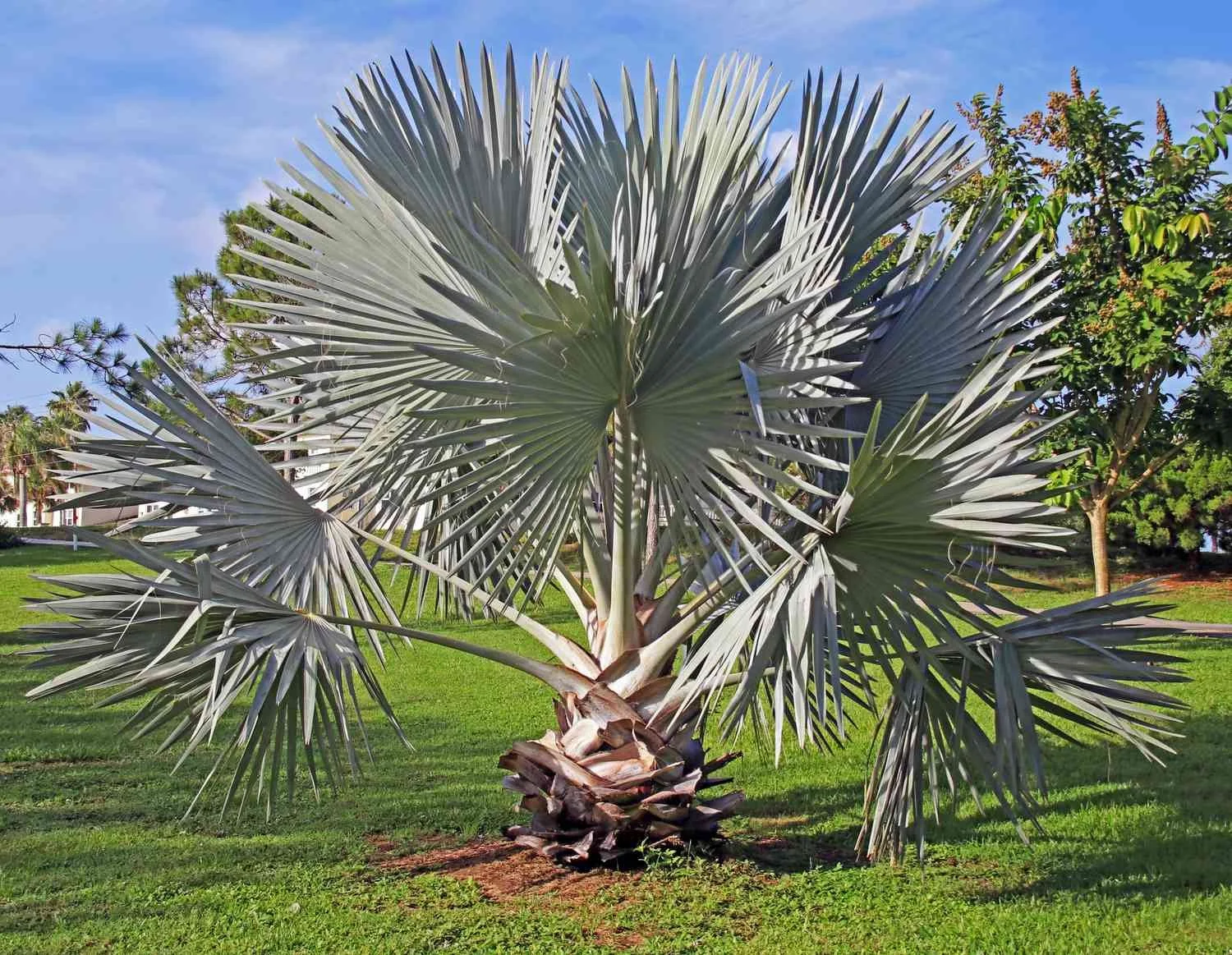
The resource document A Survey of Palms Growing in Bermuda is one of the most detailed and passionate botanical surveys ever created about Bermuda’s palm population. Compiled by George F. Ogden—and updated across decades from 1975 to 2009—the work captures a remarkable snapshot of the island’s palm diversity, documenting approximately 64 species growing across public gardens, private estates, parks, and hidden corners of the island.
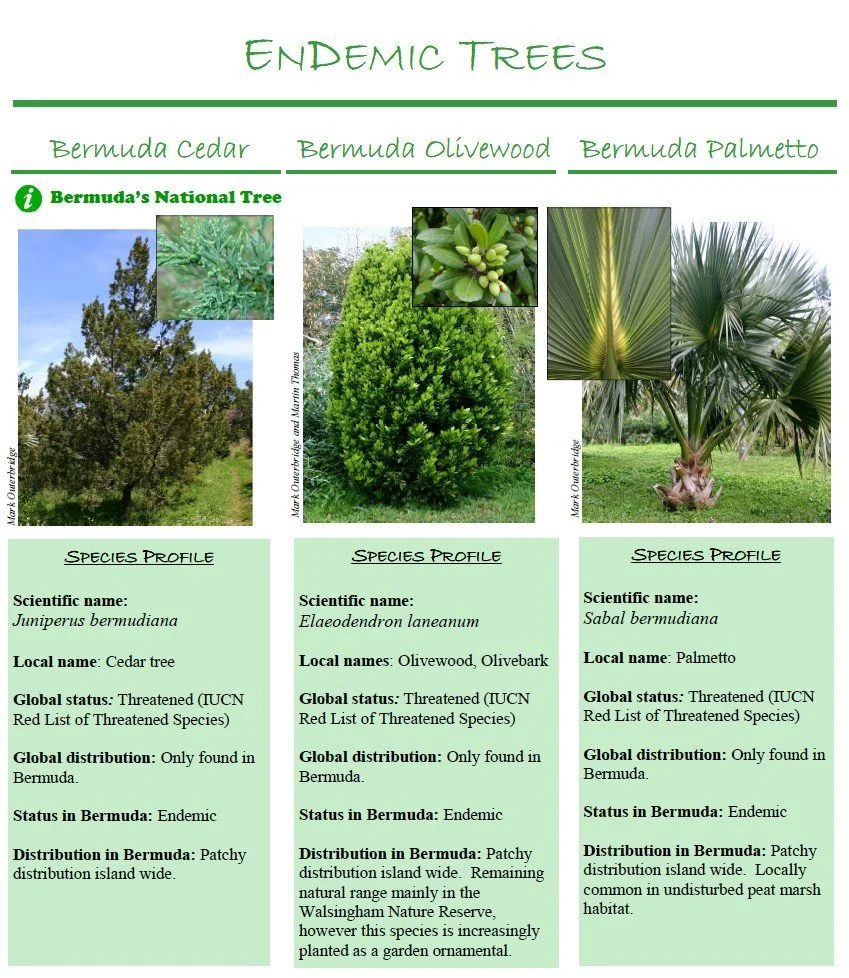
Bermuda Endemic and Native Trees
The resource document Bermuda Endemic and Native Trees is a beautifully organized and informative guide that highlights the rare, remarkable, and ecologically essential tree species that define Bermuda’s natural heritage. Designed to help readers recognize and appreciate the island’s most important flora, the document showcases botanical illustrations, habitat information, conservation notes, and key identification features for each species.
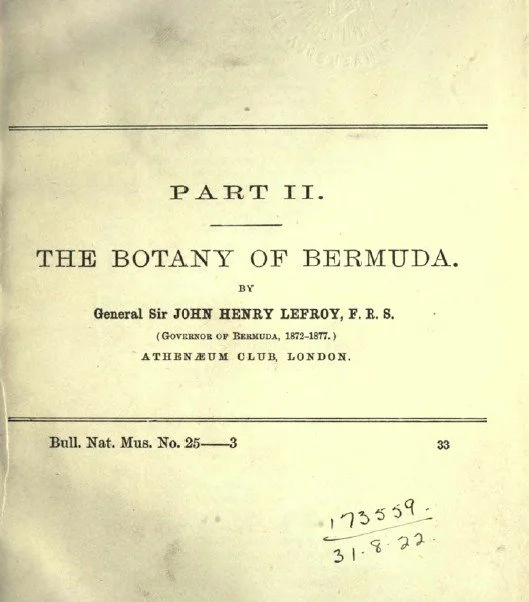
The Botany of Bermuda, Lefroy 1884
The historic document The Botany of Bermuda by General Sir John Henry Lefroy offers one of the earliest and most comprehensive botanical surveys of Bermuda. Written in the late 19th century, it captures a detailed portrait of the island’s native landscapes, introduced species, and the ecological forces that shaped Bermuda long before modern development.
Lefroy begins by describing Bermuda’s geological origins and its surprisingly narrow range of native plants, shaped by its small land area, calcareous soils, and isolation in the Atlantic. Yet, despite these limitations, the islands became a crossroads where seeds, birds, sailors, storms, and human settlement introduced species from nearly every corner of the world. By the 1800s, Bermuda’s flora was a living mosaic—part West Indian, part American coastal, part European, and part global seafarer’s baggage.
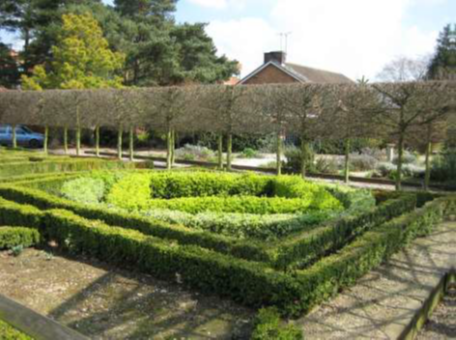
Horticulture as a Career
The resource document Horticulture as a Career offers an inspiring introduction to the diverse and dynamic world of horticulture, presented by Sandra Nicholson of Writtle University College. This guide invites readers—especially those considering a career shift or students exploring their options—into a field where science, creativity, sustainability, and hands‑on craftsmanship intersect. The document begins by grounding readers in the environment of Essex, where Writtle University College has trained land‑based professionals since 1893. Its gently rolling terrain, clay‑loam soils, and temperate climate provide an ideal living classroom for future horticulturists, from plant scientists to garden designers.
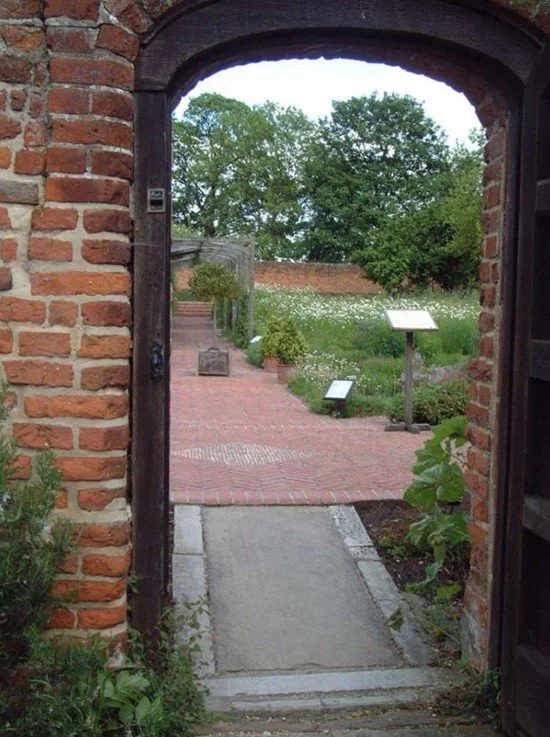
Cressing Temple Garden Restoration
he resource document Gardens of Cressing Temple offers a richly detailed look into one of Essex’s most extraordinary horticultural reconstructions—a meticulously researched re‑creation of a late Medieval and early Tudor garden within the historic walls of Cressing Temple. The presentation, led by Sandra Nicholson of Writtle University College, traces the garden’s development from its beginnings in 1991 to its public opening in 1995, situating the site within its deep historical roots as a former estate of the Knights Templars.
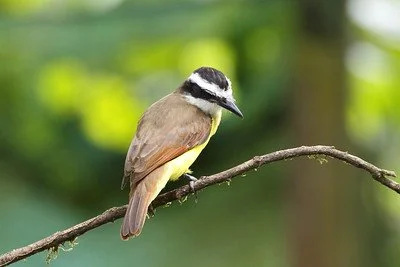
Gardening on oceanic islands:
A recent short communication published in Avocetta takes a close look at an unexpected relationship unfolding across Bermuda’s gardens and wild spaces: the interaction between the non‑native Great Kiskadee and the invasive Orange Jessamine (Murraya paniculata). Although introduced to Bermuda in the 1950s as a form of biological control, the Great Kiskadee has since become an influential—often problematic—species in the island’s ecology. This new study investigates whether the bird may also be helping to spread the seeds of one of Bermuda’s most persistent invasive ornamentals, Murraya paniculata.
Green Flag Award: Raising the standard
The Green Flag Award resource document offers an inside look at how parks and green spaces are assessed and recognized for excellence, outlining the award’s purpose, judging process, and the rigorous criteria used to evaluate management, sustainability, biodiversity, community involvement, and overall visitor experience. It explains how judges review management plans, conduct on‑site evaluations, and provide constructive feedback, while highlighting examples of best practices such as environmental sustainability initiatives, heritage conservation, and community‑driven projects. Through its detailed breakdown of the award system, the document showcases the importance of well‑managed, publicly accessible green spaces and encourages continuous improvement across environmental stewardship, safety, inclusivity, and long‑term planning.
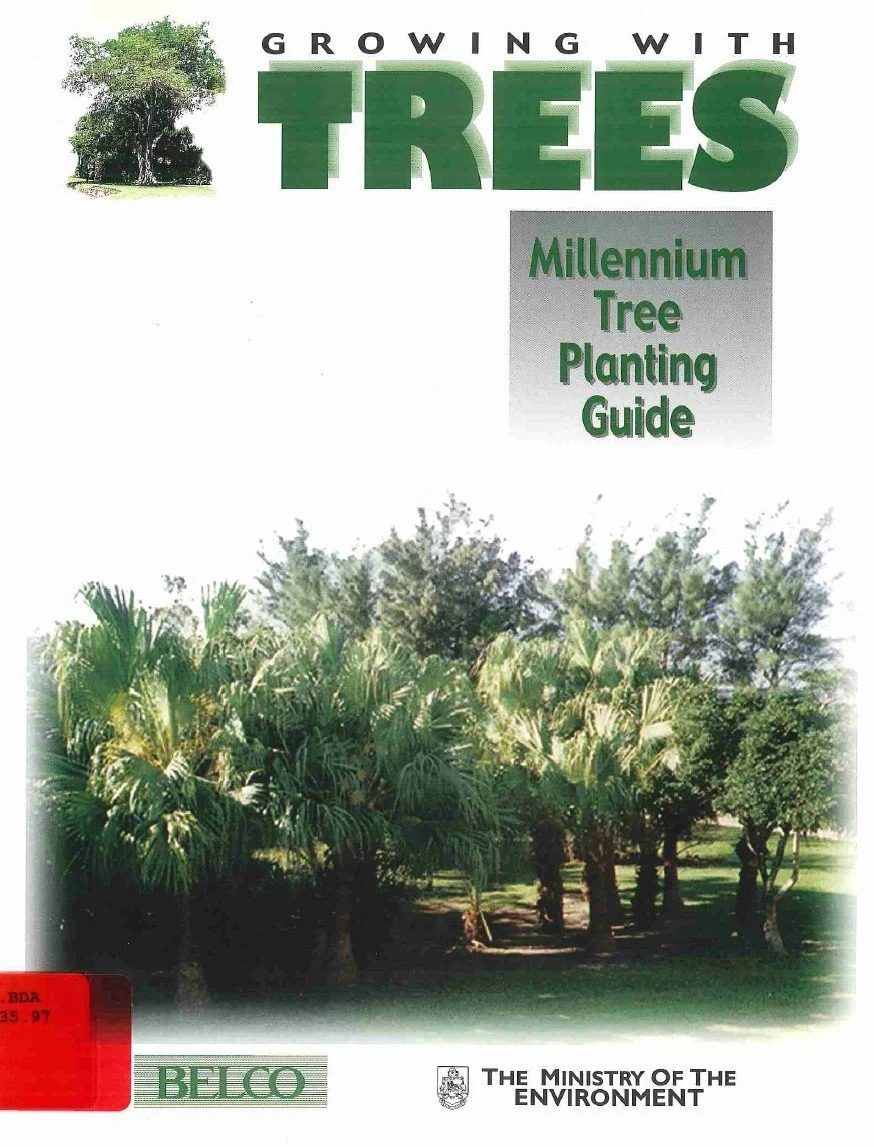
Growing with Trees
Growing with Trees is a comprehensive tree‑planting guide created by Bermuda’s Ministry of the Environment as part of the Millennium Tree Planting initiative. The document serves as both an educational tool and a call to action, encouraging residents, schools, community groups, and businesses to participate in restoring Bermuda’s natural environment through thoughtful tree planting.
The guide blends practical planting advice with an in‑depth look at native, endemic, ornamental, fruit‑bearing, and invasive species, making it an essential resource for anyone who wants to understand Bermuda’s botanical landscape and help shape its future.
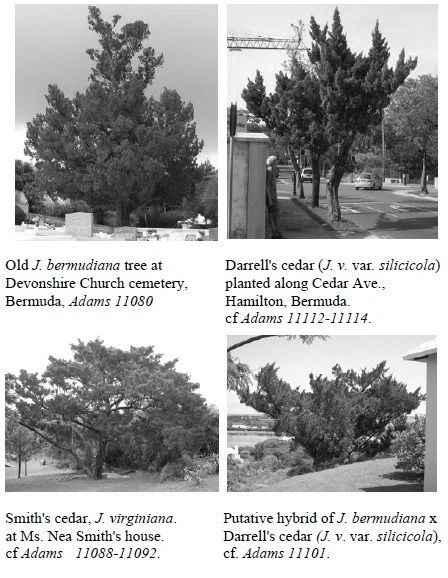
Hybridizaiton Between JUNIPERUS BERMUDIANA AND J. VIRGINIANA IN BERMUDA
The document titled HYBRIDIZATION BETWEEN Juniperus bermudiana AND J. virginiana IN BERMUDA offers an in‑depth scientific examination of one of the most important ecological stories in Bermuda: the struggle of the native Bermuda cedar to survive, the introduction of mainland juniper species, and the genetic mixing now occurring between them. Authored by Robert P. Adams and David Wingate, the study combines historical context, DNA analysis, and field observations to understand how hybridization is reshaping Bermuda’s iconic conifer.
This research provides essential insight for conservationists, land managers, and anyone interested in the island’s natural heritage.
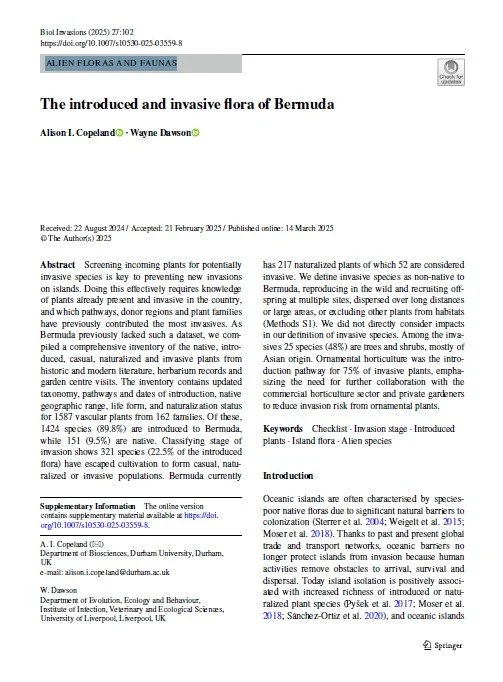
The introduced and invasive flora of Bermuda
The resource document The introduced and invasive flora of Bermuda presents one of the most thorough analyses ever conducted on the island’s plant life. Compiled by researchers Alison Copeland and Jane Dawson, the study brings together centuries of historical records, herbarium specimens, modern literature, and garden centre surveys to produce a complete inventory of the plants that currently occur in Bermuda. This includes native species, long‑established introductions, casual escapes, naturalized species, and invasive plants.
This document is a major contribution to understanding how Bermuda’s plant communities developed, how they are changing, and which species pose the greatest risks to island biodiversity.
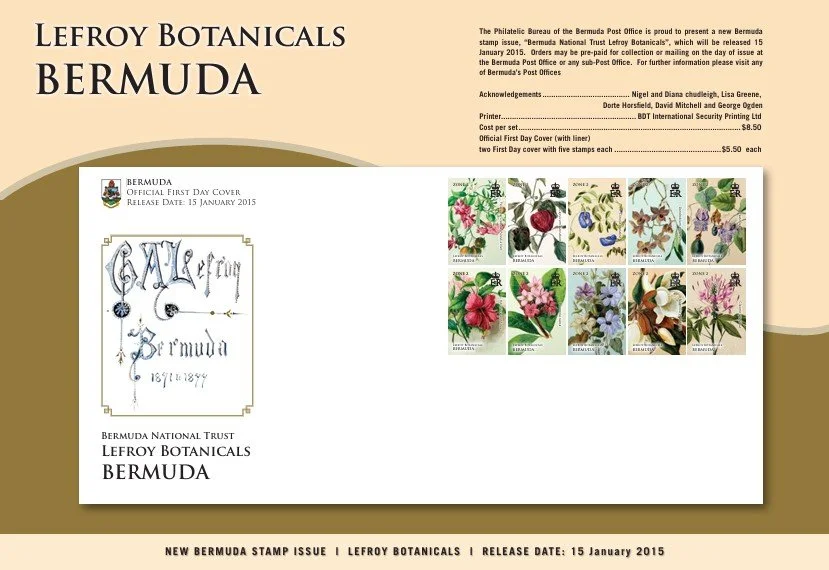
Celebrating Bermuda’s Botanical Heritage: The Lefroy Botanicals Stamp Issue
The resource document titled 5252_LeFroy-Botanical-Poster.pdf showcases a special Bermuda stamp issue known as the Lefroy Botanicals, released by the Bermuda Post Office in January 2015. This beautifully designed poster serves as both a visual guide and an educational piece, highlighting a curated selection of botanical illustrations that reflect Bermuda’s rich horticultural heritage.
This stamp series was created in partnership with the Bermuda National Trust and celebrates the long tradition of botanical study on the island. Each stamp presents a carefully rendered plant species, chosen for its cultural, aesthetic, or ecological significance. The result is a vibrant and collectible tribute to the plants that shape Bermuda’s landscape.
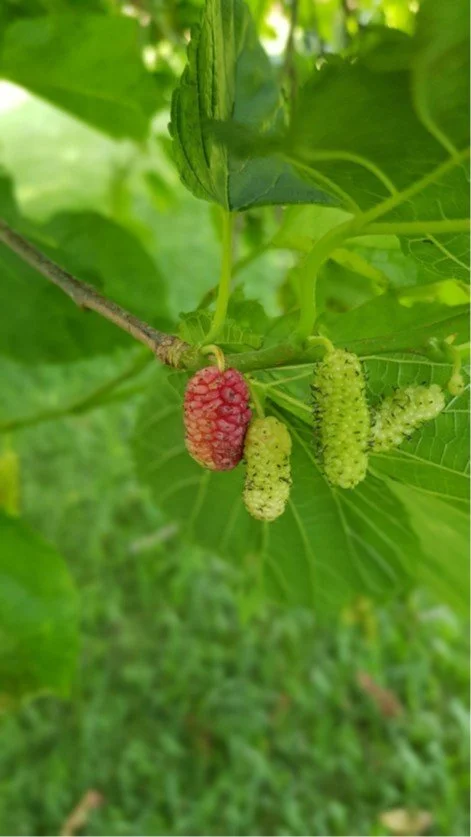
Mulberry Research by Berkeley Student Volunteers
Morus alba, known by its common name white mulberry is native to northern China as well as Bermuda and introduced in North America. It is used in China to nourish silkworms. Even though it's called ‘white mulberry’, the name has nothing to do with the color of its fruits; the colors can range from white to red to purple. There are three common types of mulberry trees: white mulberry, red mulberry and black mulberry. Mulberry trees are similar in appearance and can be distinguished by their leaves, bark and fruit details.

Notes on the Flora of The Bermudas
The 1937 re‑publication of Dr. A. B. Rendle’s Notes on the Flora of the Bermudas remains one of the most valuable botanical records ever produced for the islands. Originally written after Rendle’s ten‑week visit in 1933 and published in the Journal of Botany in 1936, this document offers a rare and detailed snapshot of Bermuda’s plant life during a pivotal time in its ecological history. [Flora-of-B...endle-1937 | PDF]
For anyone interested in Bermuda’s natural environment—gardeners, conservationists, botanists, educators, or visitors—this resource serves as an essential window into the islands’ native flora, endangered species, naturalized plants, and changing landscapes.
The Bermuda Islands
Bermuda’s story is far more than pink‑sand beaches and turquoise seas—it’s a living, evolving tapestry of plants, animals, geology, and human resilience. A newly revisited historical resource, “The Bermuda Islands” by Addison E. Verrill (1902), offers a sweeping look at the islands’ natural history, cultural heritage, and environmental transformation. Here’s a fresh, modern reflection on that remarkable work and what it reveals about Bermuda’s unique world.
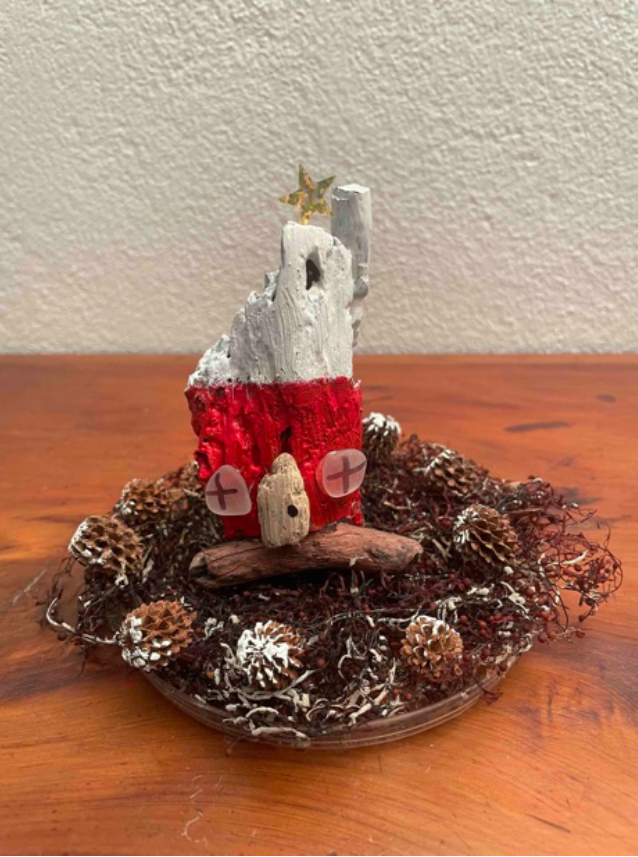
Children’s Corner | DRIFTWOOD CRAFT and DRIFTWOOD STORY
Driftwood facts: Did you know?.......
“Driftwood is simply wood that has been carried by water and washed up on a shore. This can happen in a sea, river, or lake. Winds, tides, and waves often move the wood. Sometimes, people also place wooden objects into the water, which can become driftwood. Even though a lot of driftwood can sometimes be a problem in certain areas, it's very important for nature. As driftwood floats in the ocean, it gives shelter and food to birds, fish, and other water creatures. Minute animals like gribbles (a crustacean) and shipworms (a mollusk…tiny termites of the sea), along with bacteria, help to break down the wood.
Focus on invasives
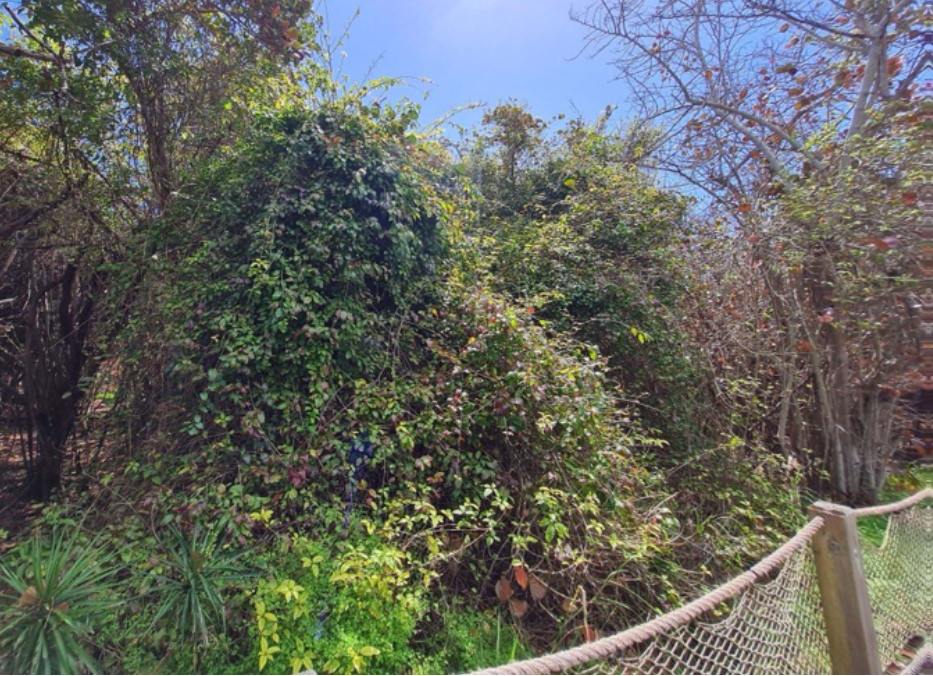
The plant family Petiveriaceae contains around 20 known species of plants. No members of this family are native to Bermuda, but two species have been introduced – the Hoop Vine (Trichostigma octandrum) and the Rougeberry (Rivina humilis). Unfortunately both species are invasive here. While Rougeberry is incredibly common, I was only vaguely aware of Hoop Vine before I started the vegetation surveys for my PhD in 2023. Lisa Greene had shown it to me on the roadside of South Shore Road, just east of Southampton Rangers in May 2014. I’d since noticed it a few other times, such as on the railway trail in Warwick during the End-to-End Walk in 2018.