
The Bermuda Islands
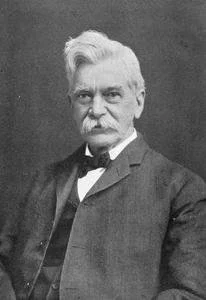
Addison Emery Verrill
U.S. zoologist
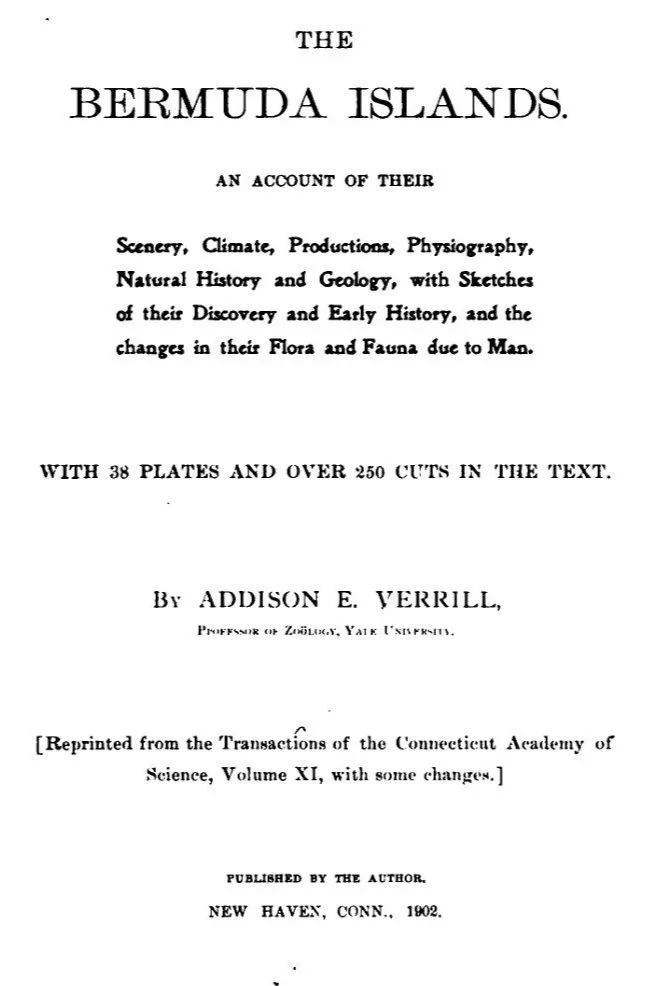
by Addison E. Verrill
AN ACCOUNT OF THEIR
Scenery, Climate, Productions, Physiography,
Natural History and Geology, with Sketches
of their Discovery and Early History, and the
changes in their Flora and Fauna due to Man.
Exploring Bermuda’s Living Tapestry: A Journey Through Nature, History & Change
Bermuda’s story is far more than pink‑sand beaches and turquoise seas—it’s a living, evolving tapestry of plants, animals, geology, and human resilience. A newly revisited historical resource, “The Bermuda Islands” by Addison E. Verrill (1902), offers a sweeping look at the islands’ natural history, cultural heritage, and environmental transformation. Here’s a fresh, modern reflection on that remarkable work and what it reveals about Bermuda’s unique world.
A Botanical Wonderland Shaped by Nature and People
Bermuda’s flora is a fascinating blend of the ancient, the native, and the imported. Verrill documents how early settlers depended heavily on indigenous trees like the Bermuda Cedar and Palmetto, both once foundational to daily life. As populations grew, so did the introduction of new plants—from citrus and bananas to ornamental flowers and shade trees—brought from England, the Caribbean, and beyond.
This mix of native and introduced species created the lush, varied landscape that modern visitors admire today. But it also set off ecological shifts that still echo in Bermuda’s ecosystems.
Wildlife Stories: Survival, Loss & Recovery
The islands’ animal life, from birds to lizards to marine creatures, reveals both vulnerability and resilience. Verrill’s work highlights dramatic changes brought on by settlement—such as the tragic extinction of the Cahow, once plentiful but wiped out within decades. Meanwhile, species like the Tropic Bird, Cardinal, Bluebird, and various introduced songbirds thrived and reshaped the soundscape of Bermuda.
Marine life, too, is a treasure trove: vibrant reef fish, whales, and sea turtles all feature prominently. Even today, Bermuda’s reefs remain some of the most biologically rich in the Atlantic.
Tiny Creatures, Big Impact: Bermuda’s Insect Invasion
One of the most surprising takeaways is how many of Bermuda’s insects are not native. Introduced over centuries—by trade, colonization, and accident—they became central characters in Bermuda’s agricultural story. Scale insects, moths, thrips, and weevils once threatened entire crops, forcing the islands to experiment with early pest control techniques like fumigation, kerosene mixtures, and biological predators.
This part of Verrill’s account reads almost like a historical precursor to modern integrated pest management.
From Tobacco to Lilies: A Changing Agricultural Landscape
Agriculture in Bermuda has undergone dramatic transitions. For nearly 70 years, tobacco ruled the economy—so valuable it even served as the colony’s currency. Later, onions, potatoes, arrowroot, and the famous Easter lily became major exports.
These shifts were shaped by market forces, crop diseases, soil exhaustion, and the steady march of modernization. Verrill’s detailed accounts offer a rare look into how food and livelihood evolved on these small islands.
Geology of a Coral Kingdom
Bermuda’s iconic limestone cliffs, mysterious caves, coral reefs, and rolling sand dunes tell of an ancient world shaped by wind, water, and time. The document provides exquisite descriptions of these formations—and how storms, erosion, and rising seas continue to sculpt the landscape.
The islands’ mild climate, influenced by the Gulf Stream, also plays a starring role: gentle winters, warm summers, and the occasional hurricane have shaped both nature and culture for centuries.
Human History Woven Into the Landscape
Beyond nature, Verrill paints a vivid picture of early Bermuda life—from shipwrecks and settlement to slavery, famines, and folklore. The document recounts challenges faced by colonists, their interactions with the environment, and the powerful stories embedded in places like Walsingham, St. George's, and Castle Harbour.
These narratives add depth to Bermuda’s character—reminding us that the island’s beauty has always existed alongside hardship, adaptation, and ingenuity.
A Legacy of Conservation & Curiosity
What might be most inspiring is how Verrill’s work—and the decades of research it represents—helped spark Bermuda’s long tradition of environmental stewardship. From early wildlife protection laws to the development of public gardens and ongoing scientific studies, Bermuda has become a model for island conservation.
Today’s efforts to protect reefs, restore native habitats, and safeguard historic sites echo the concerns Verrill first documented over a century ago.
Why This Resource Matters Today
Whether you are a botanist, historian, environmentalist, or simply someone who loves the island’s natural beauty, this document is a rich well of knowledge. It captures Bermuda at a pivotal moment—balancing tradition, modernization, and fragile ecosystems—and offers lessons that remain strikingly relevant.
For storytelling, education, and sustainable tourism, its pages are a blueprint for understanding how nature and culture intertwine on small islands—and how they must be cared for to thrive.
