
Cressing Temple Garden Restoration
by Sandra Nicholson
Recreating the Past: Inside the Historic Gardens of Cressing Temple
The resource document Gardens of Cressing Temple offers a richly detailed look into one of Essex’s most extraordinary horticultural reconstructions—a meticulously researched re‑creation of a late Medieval and early Tudor garden within the historic walls of Cressing Temple. The presentation, led by Sandra Nicholson of Writtle University College, traces the garden’s development from its beginnings in 1991 to its public opening in 1995, situating the site within its deep historical roots as a former estate of the Knights Templars.
What makes this garden remarkable is its authenticity. The design team relied on period literature—works by Albertus Magnus, John Gardiner, Thomas Tusser, and Thomas Hill—to identify plants, gardening practices, and landscape features typical of the 13th to 16th centuries. They even consulted medieval illustrations like Romance de la Rose and The Garden of Paradise to guide the placement of arbors, turf seats, herb beds, and knots.
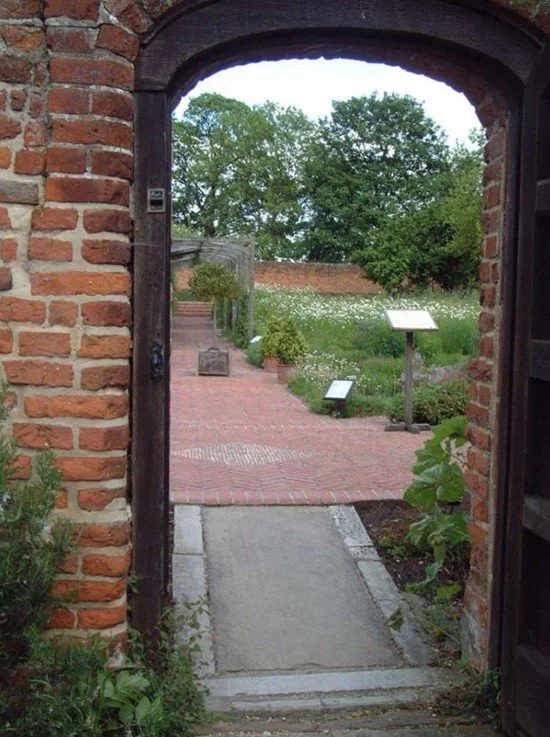
The resulting Walled Garden is a living tapestry of history: strewing herbs such as thyme and sage flank the entrance; fruit trees like quince and historic pear varieties rise from a flowery mead; while structured knot gardens echo Tudor symmetry. Visitors can explore features such as a raised viewing terrace, an oak pergola, bee skeps, and water rills—each shaped by archival research, archaeological study, and careful horticultural craftsmanship.
Supported by volunteers and the Friends of Cressing Temple Gardens, the garden continues to evolve. Heritage Lottery funding has enabled restoration work and interpretation, preserving this rare example of a historically accurate medieval garden for future generations. For gardeners, historians, and anyone fascinated by traditional plant culture, the document offers a captivating window into how the past can be brought vividly to life through plants, design, and dedicated stewardship.
