
Children’s Corner | DRIFTWOOD CRAFT and DRIFTWOOD STORY
Driftwood facts: Did you know?.......
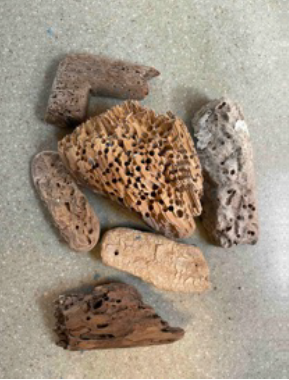
“Driftwood is simply wood that has been carried by water and washed up on a shore. This can happen in a sea, river, or lake. Winds, tides, and waves often move the wood. Sometimes, people also place wooden objects into the water, which can become driftwood. Even though a lot of driftwood can sometimes be a problem in certain areas, it's very important for nature. As driftwood floats in the ocean, it gives shelter and food to birds, fish, and other water creatures. Minute animals like gribbles (a crustacean) and shipworms (a mollusk…tiny termites of the sea), along with bacteria, help to break down the wood. This process slowly turns the wood into nutrients that go back into the food web, helping other living things. When partially broken-down wood washes ashore, it continues to be useful. It provides shelter for birds, plants, and other species on the land. Driftwood can even become the base for sand dunes to form, helping to shape coastlines.
Driftwood can come from many sources:
A tree or part of a tree that falls into a large body of water due to strong winds or floods.
Parts of buildings or their contents that end up in the sea because of floods, storms, or tsunamis.
Wooden items that people have put into the water from the shore.
Pieces of old wooden ships and boats.
Lost cargo from ships “Bermuda’s driftwood might be spice, palms, casuarina and cedar and other trees that have fallen into the sea. Reference: kids.kiddle.com
What To do:
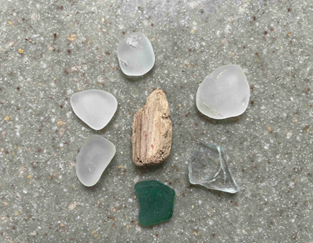
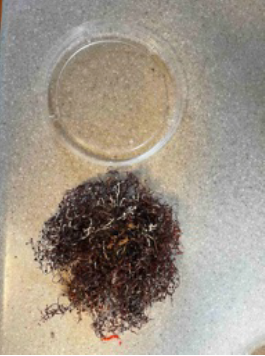
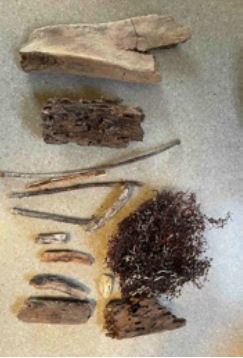
Collect your pieces of driftwood, smooth sea glass, casuarina ‘berries’ and seaweed. Leave the shells on the beach as they will be broken down to make more sand.
Rinse, dry and brush them off lightly.
You can sand pieces to make them smooth if you want to.
For the house:
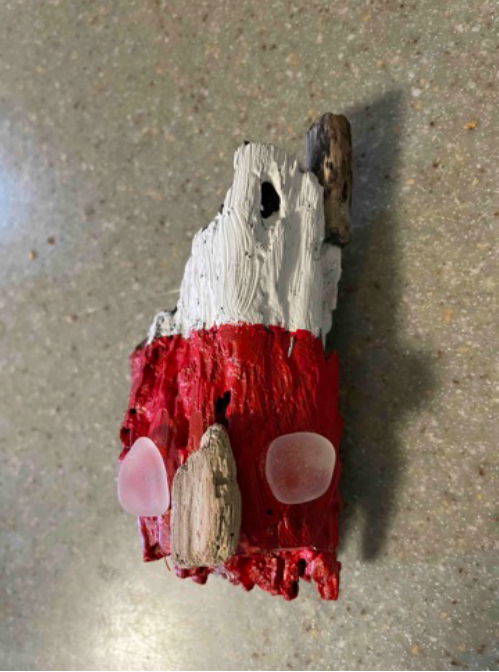
Paint the roof white and walls red…or whatever colour you like and leave to dry. For the chimney use a small piece of twig/stick that fits and glue in place.Glue seaweed onto the lid.
When the house has dried, glue on the sea glass windows and door. I used a black marker to make the window panes and door knob.
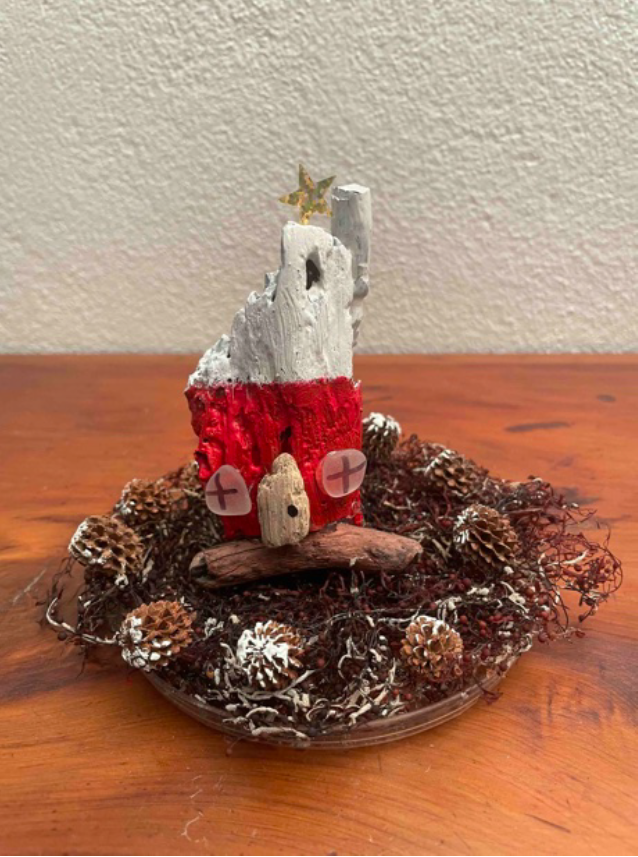
Set the house on the seaweed. It might not need glue but if it stands better use a little to stabilise it or rest it on a small piece of driftwood, as I have here.
Dot white paint on the casuarina berries and place all around the house.
Finally I stuck a gold star on the roof.
Again…be creative and use what you have!
